DIY vs Professional Pressure Cleaning: Costs and Risks
If you own a home or business in Parramatta, you have probably looked at a green-stained driveway, a mouldy pergola or a grimy set of pavers and wondered whether to hire a professional or hire a pressure washer and do it yourself. Western Sydney's mix of humid summers, sudden storms and older brick and concrete surfaces means outdoor areas collect dirt, algae and mould quickly. This guide compares the real costs and risks of each approach so you can decide what suits your property and budget in 2026.
Why Pressure Cleaning Matters in Parramatta
Parramatta's climate encourages the growth of moss, lichen and algae, especially on shaded concrete, roof tiles, retaining walls and north-south facing fences. Traffic fumes, tree debris from the area's many leafy streets and general urban grime add to the problem. Left untreated, these build-ups can make surfaces slippery, shorten the life of paint and sealants, and detract from your property's presentation, which matters if you are selling or leasing.
The Cost of DIY Pressure Cleaning
On paper, DIY looks cheaper. But the true cost includes more than the machine itself.
Equipment Costs
Entry-level electric pressure washers from major hardware retailers typically start at around $150 to $300, while petrol-powered units with higher pressure and flow rates often range from $400 to over $1,000. If you only need to clean once or twice a year, hiring equipment is another option, with daily hire rates commonly sitting between $60 and $120 depending on the machine.
Additional Expenses
- Accessories: Surface cleaners, extension lances, nozzles and hoses can add $50 to $250.
- Cleaning chemicals: Detergents, mould killers and degreasers for oil stains usually cost $20 to $80 per job.
- Water usage: Pressure washing uses a lot of water, and this adds up on a larger property.
- Your time: A typical driveway and paths can take a full day for a beginner, once setup, cleaning and tidy-up are included.
- Repairs: Damaged surfaces, pointing or windows caused by mistakes can quickly outweigh any savings.
The Cost of Professional Pressure Cleaning
Professional pricing in Parramatta generally depends on the size of the area, the type of surface, how heavily soiled it is and how easy it is to access. As a rough guide, many homeowners see quotes of around $150 to $400 for a standard driveway or patio, and higher for full house washes, large commercial car parks or multi-storey work. Roof cleaning is usually priced separately because of the safety equipment and specialised treatments involved.
Always ask for a written, itemised quote. A reputable provider will explain what is included, such as pre-treatment, rinsing, edge detailing and cleanup, and will be upfront about any extra charges. Prices vary, so getting two or three quotes is sensible.
Risks of DIY Pressure Cleaning
Pressure washers are powerful tools, and the risks are often underestimated.
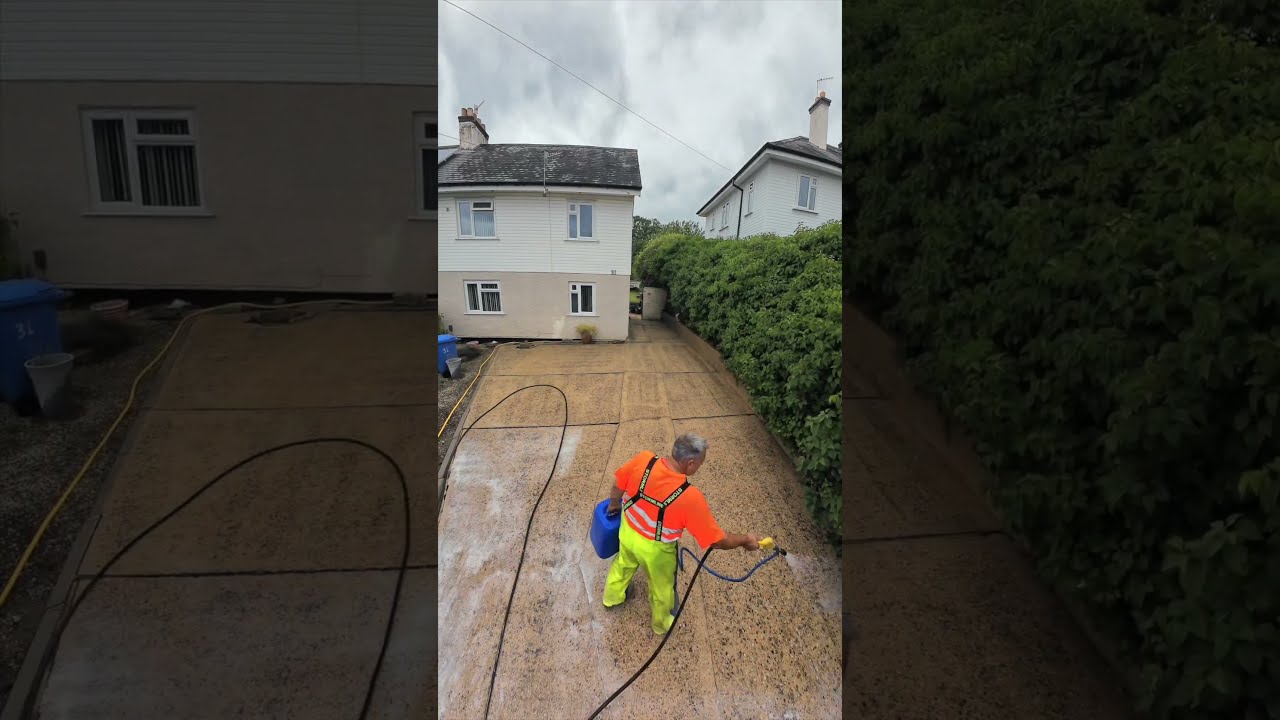
Personal Injury
High-pressure water can cause serious lacerations and injection injuries that require urgent medical attention. Slips on wet surfaces, falls from ladders and electric shock from using power equipment near water are also common causes of accidents. Cleaning gutters, roofs or second-storey walls is particularly dangerous, and working at heights is one of the leading causes of serious home injuries in Australia.
Property Damage
Using too much pressure or the wrong nozzle can etch concrete, strip paint, gouge timber, dislodge roof tile coatings and force water behind cladding or into window frames and eaves. Older Parramatta homes with aged mortar or soft sandstone features are especially vulnerable. Streaky "zebra" patterns on driveways are another common DIY result, caused by uneven passes.
Environmental and Legal Concerns
Wash water often contains detergents, oils, mould and sediment. In New South Wales, allowing polluted water to enter stormwater drains can breach environmental protection rules, and local councils, including City of Parramatta, take stormwater pollution seriously. Because stormwater flows into the Parramatta River and ultimately Sydney Harbour, it is important to prevent contaminated runoff from leaving your property. Check current council guidance before cleaning, particularly if you are using chemicals.

Risks of Hiring a Professional
Professional cleaning is not risk-free either, but the risks are easier to manage when you choose carefully.
- Unqualified operators: Anyone can buy a machine and advertise. Ask about training, experience and the types of surfaces they regularly clean.
- Insurance gaps: Confirm the business holds current public liability insurance, and ask for a certificate if you are unsure.
- Poor wastewater practices: A responsible provider will use drain covers, wet vacuums or containment methods where required.
- Vague quotes: Unclear pricing can lead to surprise charges. Get the scope in writing.
Cost vs Value: A Fair Comparison
DIY can make sense for small, low-risk jobs, such as rinsing a small paved courtyard, cleaning outdoor furniture or washing a ground-level fence. If you will use the machine regularly and have the space to store it, buying may pay off over time.
Professional cleaning tends to be better value when:
- The area is large, such as a long driveway, extensive paving or a whole house exterior.
- Work involves heights, including roofs, gutters and two-storey walls.
- Surfaces are delicate, such as sandstone, older render, painted timber or slate.
- You need a consistent finish before a sale, rental inspection or event.
- You are cleaning a commercial property where appearance and safety compliance matter.
Professionals also bring commercial-grade equipment, appropriate pressure settings, surface cleaners that produce even results, and treatments that slow regrowth of mould and algae, which can reduce how often you need to clean.
Tips If You Decide to DIY
- Start with the lowest pressure setting and a wide-angle nozzle, and test on a hidden area first.
- Wear closed-in shoes, safety glasses and hearing protection, and never point the wand at people or pets.
- Keep the nozzle at a consistent distance and use overlapping, even strokes.
- Use a surface cleaner attachment on large flat areas to avoid streaking.
- Avoid cleaning near windows, vents, electrical fittings or damaged mortar.
- Block stormwater drains and direct wash water onto lawn or garden beds where it is safe to do so.
- Stay off roofs and ladders if you are not experienced and properly equipped.
How to Choose a Pressure Cleaner in Parramatta
When comparing local providers, look for clear communication, up-to-date insurance, positive reviews from nearby suburbs such as Westmead, Harris Park, https://trevorgquv755.zenbloomer.com/posts/the-environmental-benefits-of-modern-surface-water-recovery Granville and Northmead, and a willingness to inspect the site or ask detailed questions about your surfaces. Ask what pressure levels and cleaning solutions they use on different materials, and how they manage wastewater. A trustworthy business will be happy to answer these questions.
Final Thoughts
The cheapest option is not always the most economical. DIY pressure cleaning can save money on small, simple jobs, but it carries real risks of injury, property damage and environmental breaches if done incorrectly. Hiring a professional costs more upfront, yet it often delivers a safer, more even and longer-lasting result, particularly for larger or higher-risk areas. Weigh the size of the job, the surfaces involved and your own comfort level, then choose the approach that protects both your property and your peace of mind.
Parramatta Pressure Cleaning
(02) 9538 7943